In the digital age, where cyber threats are constantly evolving, security has become a top priority for individuals, businesses, and governments alike. Two of the most critical tools in safeguarding online data are firewalls and encryption. While both play essential roles in protecting information, they serve different purposes and operate in distinct ways. This article will explore the Comparing firewall vs encryption to help you understand their functions, advantages, and limitations, enabling you to make an informed decision about which is better suited for your security needs.
The Role of Firewalls in Network Security
Firewalls are the first line of defense in network security, acting as a barrier between trusted internal networks and untrusted external networks, such as the internet. They monitor and control incoming and outgoing network traffic based on predefined security rules, preventing unauthorized access while allowing legitimate communication.
A firewall is a network security system that filters traffic by inspecting data packets and deciding whether to allow or block them. It can be hardware-based, software-based, or a combination of both. Hardware firewalls are typically deployed at the network level, while software firewalls run on individual devices or servers.
Firewalls are designed to block threats at the perimeter, such as malware, unauthorized users, and malicious traffic. They are particularly effective in stopping network-level attacks, including DDoS attacks, port scanning, and intrusion attempts. By analyzing the source, destination, and content of traffic, firewalls can identify and neutralize threats before they reach your system.
How Firewalls Work
Firewalls use security rules to determine what traffic is allowed. These rules can be based on IP addresses, ports, protocols, or even specific applications. For example, a firewall might block traffic from a known malicious IP address or restrict access to certain ports unless explicitly permitted.
Modern firewalls also employ stateful inspection, which tracks the state of active connections and ensures that only legitimate traffic is allowed through. This distinguishes them from older, stateless firewalls that simply check individual packets without considering the context of the connection.
Types of Firewalls
There are several types of firewalls, each with its own strengths: – Packet Filtering Firewalls: These operate at the network layer, inspecting individual packets and allowing or blocking them based on source and destination IP addresses, ports, and protocols. – Stateful Inspection Firewalls: These maintain a record of active connections and use that information to make decisions about incoming traffic. – Application-Layer Firewalls: These inspect traffic at the application level, analyzing data packets for suspicious patterns or content, such as malicious code or phishing attempts. – Next-Generation Firewalls (NGFW): These integrate advanced features like deep packet inspection, intrusion prevention systems, and application awareness, making them more effective against modern threats.
Key Advantages of Firewalls
Firewalls are cost-effective for preventing external attacks and are easy to configure for basic security needs. They are particularly useful for protecting the network perimeter and blocking traffic from untrusted sources. Additionally, firewalls can log and monitor traffic, providing valuable insights into network activity and potential security breaches.
The Function of Encryption in Data Protection
While firewalls protect the network perimeter, encryption focuses on securing data itself. Encryption transforms readable information into an unreadable format using cryptography, ensuring that only authorized parties can access it. This Comparing firewall vs encryption highlights the importance of encryption in protecting data integrity and confidentiality, even when it is transmitted over insecure networks.
Understanding Encryption
Encryption is a mathematical process that converts plaintext data into ciphertext using algorithms and keys. This process makes data inaccessible to anyone without the correct key. Encryption is commonly used for secure communication, data storage, and protecting sensitive information such as passwords, financial records, and personal data.
There are two primary types of encryption: symmetric encryption and asymmetric encryption. Symmetric encryption uses a single key for both encryption and decryption, making it fast and efficient for large amounts of data. Asymmetric encryption, on the other hand, uses a public-private key pair, allowing secure communication without the need to share the private key.
How Encryption Works
When data is encrypted, it is transformed into a secure format using cryptographic algorithms. For example, TLS (Transport Layer Security) is a protocol that encrypts data during transmission, ensuring that eavesdroppers cannot read the information. Similarly, AES (Advanced Encryption Standard) is a symmetric algorithm used to secure data at rest, such as files stored on a server or a mobile device.
Encryption works at the application level, meaning it secures data even after it has entered the network. This makes it indispensable for protecting sensitive information from interception or data breaches. Unlike firewalls, which prevent access to data, encryption ensures that data remains private regardless of where it is stored or transmitted.
Core Benefits of Encryption
The main advantage of encryption is its ability to protect data confidentiality and integrity. Even if an attacker bypasses a firewall and gains access to your network, encrypted data remains secure unless they have the correct decryption key. Encryption is also essential for compliance with data protection regulations, such as GDPR or HIPAA, which require sensitive information to be stored and transmitted securely.
When Encryption is Most Effective
Encryption is particularly useful in scenarios where data privacy is critical, such as: – Secure messaging apps like WhatsApp or Signal, which use end-to-end encryption to protect user conversations. – Online banking transactions, where encryption ensures that financial data is not intercepted by hackers. – Cloud storage, where data is encrypted both at rest and in transit to prevent unauthorized access.
Comparing Firewall vs Encryption: Key Differences
Now that we’ve explored the functions of firewalls and encryption, it’s time to compare them directly. This Comparing firewall vs encryption will focus on their differences in approach, security layers, and specific use cases.
Security Layer and Scope
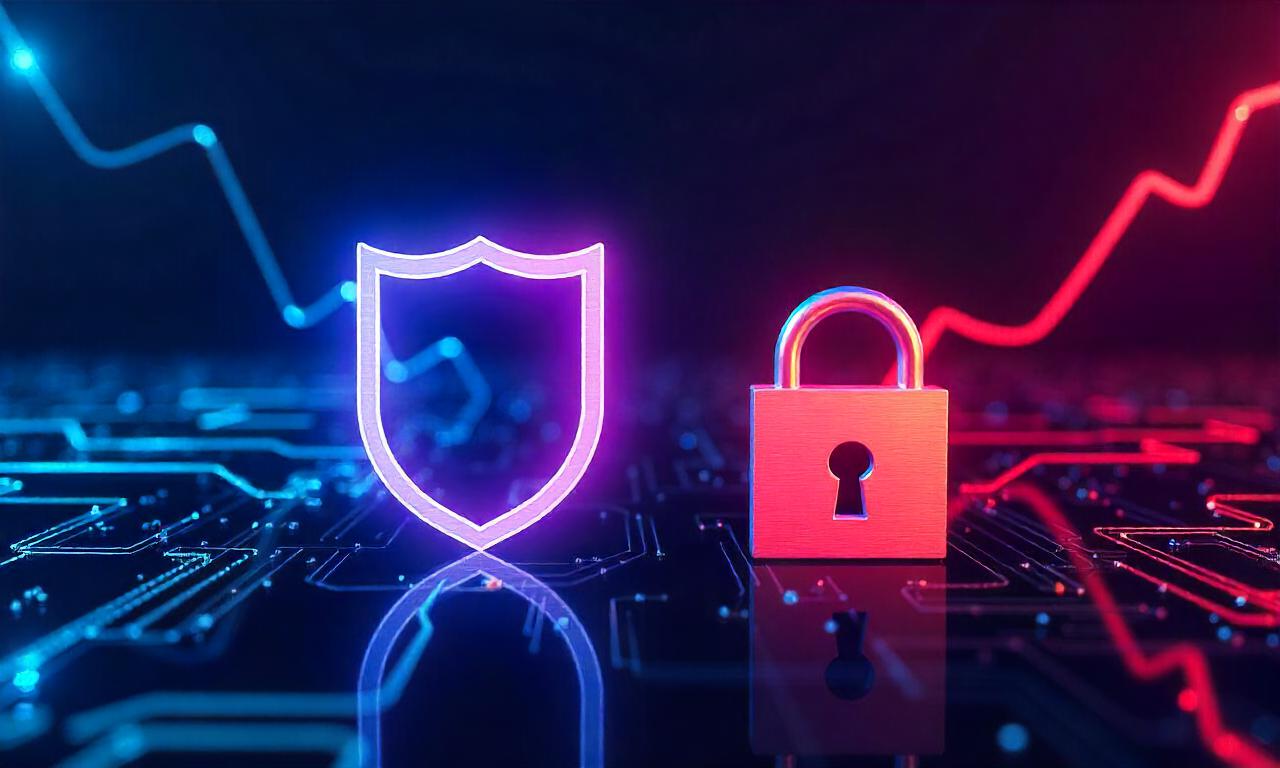
Firewalls operate at the network level, protecting the perimeter of a system. They are effective against external threats such as unauthorized access and malicious traffic. Encryption, on the other hand, works at the application level, securing data regardless of its location.
While a firewall can block traffic from a specific IP address or port, encryption protects the data itself. This means that even if an attacker breaches the network and gains access to internal systems, encrypted data remains secure.
Threat Prevention vs Data Protection
Firewalls are designed to prevent threats before they reach your network. They can block malware, spyware, and DDoS attacks by inspecting traffic and applying security rules. Encryption, by contrast, focuses on protecting data once it is transmitted or stored.
For instance, a firewall can prevent a hacker from accessing your system through an unsecured port, but encryption ensures that even if the data is intercepted, it cannot be read without the correct key. This dual-layer approach is often recommended for comprehensive security.
Performance and Scalability
Firewalls are generally lightweight and highly scalable, making them ideal for large networks. They process traffic quickly and require minimal computational resources, which is why they are often deployed at the network edge.
Encryption, however, requires more processing power, especially for real-time encryption of large data volumes. This can lead to performance overhead, which might be a concern for resource-constrained systems. That said, modern encryption algorithms are optimized for speed, and encryption can be integrated into existing infrastructure without significant performance degradation.
Complementary Roles
While firewalls and encryption serve different purposes, they are often used together to create a robust security framework. Firewalls protect the network perimeter, while encryption secures data both in transit and at rest.
For example, a firewall can block unauthorized access to a server, but encryption ensures that even if an attacker gains access, they cannot read the data stored on the server. This combined approach is essential for defending against advanced threats and ensuring data privacy.
Which is Better? Firewalls, Encryption, or a Combination?
The Comparing firewall vs encryption reveals that neither is entirely superior to the other. Instead, the best approach depends on your specific security requirements.
When to Choose Firewalls
Firewalls are most effective in scenarios where preventing unauthorized access is the primary concern. For example: – Protecting a company’s internal network from external attacks. – Blocking traffic from malicious IP addresses or ports. – Monitoring and logging network activity for threat detection.
Firewalls are also ideal for organizations that need to secure their network boundaries without overcomplicating their security strategy. Their ease of use and cost-effectiveness make them a popular choice for basic network security.
When to Prioritize Encryption
Encryption is more appropriate when data confidentiality is critical, even if the network is compromised. For instance: – Securing sensitive information such as health records or financial data. – Ensuring privacy in communication channels like email or online messaging. – Complying with data protection regulations that require encrypted storage and transmission.
Encryption is also essential for protecting data in transit over public networks, such as Wi-Fi or mobile internet. In this case, encryption alone can prevent eavesdropping and data interception, even if firewalls are bypassed.
The Case for a Combined Strategy
The most comprehensive security often comes from using firewalls and encryption together. For example: – A firewall can block traffic from untrusted sources, while encryption ensures that data remains secure even if traffic is allowed through. – Firewalls provide real-time threat detection, while encryption offers long-term data protection.
This dual-layer approach is recommended for high-risk environments, such as enterprise networks or financial institutions. It ensures that both network perimeter and data confidentiality are protected from multiple types of threats.
To decide which is better, consider the following factors: – Type of Threats: If you’re concerned about external attacks, a firewall is more effective. If you’re worried about data interception, encryption is essential. – Network Size: Firewalls are better suited for large networks, while encryption can be implemented on a smaller scale. – Compliance Requirements: Encryption is required for data protection regulations, while firewalls are more about access control. – Cost and Complexity: Firewalls are less complex to configure, while encryption may require additional resources for key management and algorithm optimization.
Conclusion: Firewalls vs Encryption – Which is Better?
In Comparing firewall vs encryption, it’s clear that each has its own strengths and weaknesses. Firewalls are ideal for network-level security, providing real-time protection against external threats. Encryption, on the other hand, secures data regardless of its location, making it indispensable for confidentiality and integrity.
The best choice depends on your specific use case. For enterprise networks, a combination of both is recommended to maximize security. For individuals or small businesses, encryption may be sufficient for protecting sensitive information.
Ultimately, firewalls and encryption are complementary tools that work best together. By understanding their differences and functions, you can create a security strategy that meets your needs and protects your data from modern cyber threats.